Whole-Home Generator Services in Troy
All backup power systems require routine maintenance. You’ll want to schedule an annual maintenance appointment at a minimum. During years of high usage, you may need multiple service appointments depending on runtime. Tune-ups include multipoint inspections, comprehensive cleanings, oil changes, new spark plugs, and more.
Check your generator regularly and schedule diagnostics at the earliest signs of a problem. Don’t ignore error codes on the display. Call us if you notice unexplained CO detector alarms or chirping. Other signs you may need generator repair include unusual noises, power fluctuations, intermittent shutoffs, and unpleasant smells.
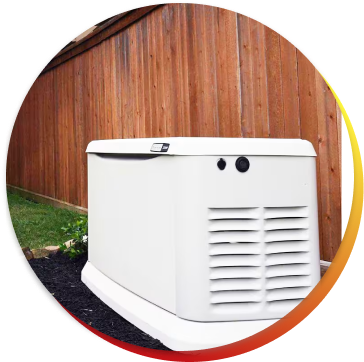
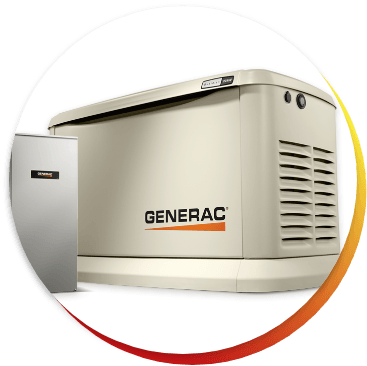
If you don’t yet have a generator, we recommend a custom whole-home generator installation. A generator will connect to your home’s electrical system via an automatic transfer switch (ATS). The next time the grid fails, it will detect it and restore your power.
A backup generator can provide many potential benefits:
- Enjoy hot meals
- Keep the lights on
- Prevent food spoilage
- Maintain heating all winter long
- Benefit from homeowner insurance discounts
Standby Generator Installation
A common question is whether a home needs electrical upgrades to prepare for a generator installation. The answer is that it depends. In older houses, it may be necessary to upgrade the electrical panel entirely. A common situation is the amp coverage being too low. Even in newer houses, it’s often necessary to add whole-house surge protection and the ATS. The National Electrical Code didn’t require residential surge protection until 2021.
We offer generators from the top brands in a range of sizes. The smallest-capacity systems are the least expensive to purchase and install. They provide what the industry refers to as essential-circuit coverage. That includes power for your home’s HVAC equipment, critical lighting, refrigerators and freezers, and vital medical equipment.
Larger sizes provide what the industry refers to as managed whole-home coverage. This allows you to choose what to power beyond the essentials. Many homeowners choose to keep their networking equipment powered. You can provide power to televisions, small kitchen appliances, portable air purifiers, and much more. We also offer systems large enough to power your home as if there weren’t a power failure at all.
Another consideration is how you’ll power your generator. If your property has natural gas access, we’ll typically recommend it. Natural gas is the least expensive and most convenient option. You’ll have steady access to fuel and never have to worry about running dry. The top alternative in our area is liquid propane (LP). You’ll store the LP on your property in a tank and schedule deliveries as needed. It’s important to schedule deliveries proactively, as there can be delays during those times when you need it most.